Roof Replacement Succasunna, NJ: Everything First-Time Homeowners Should Know
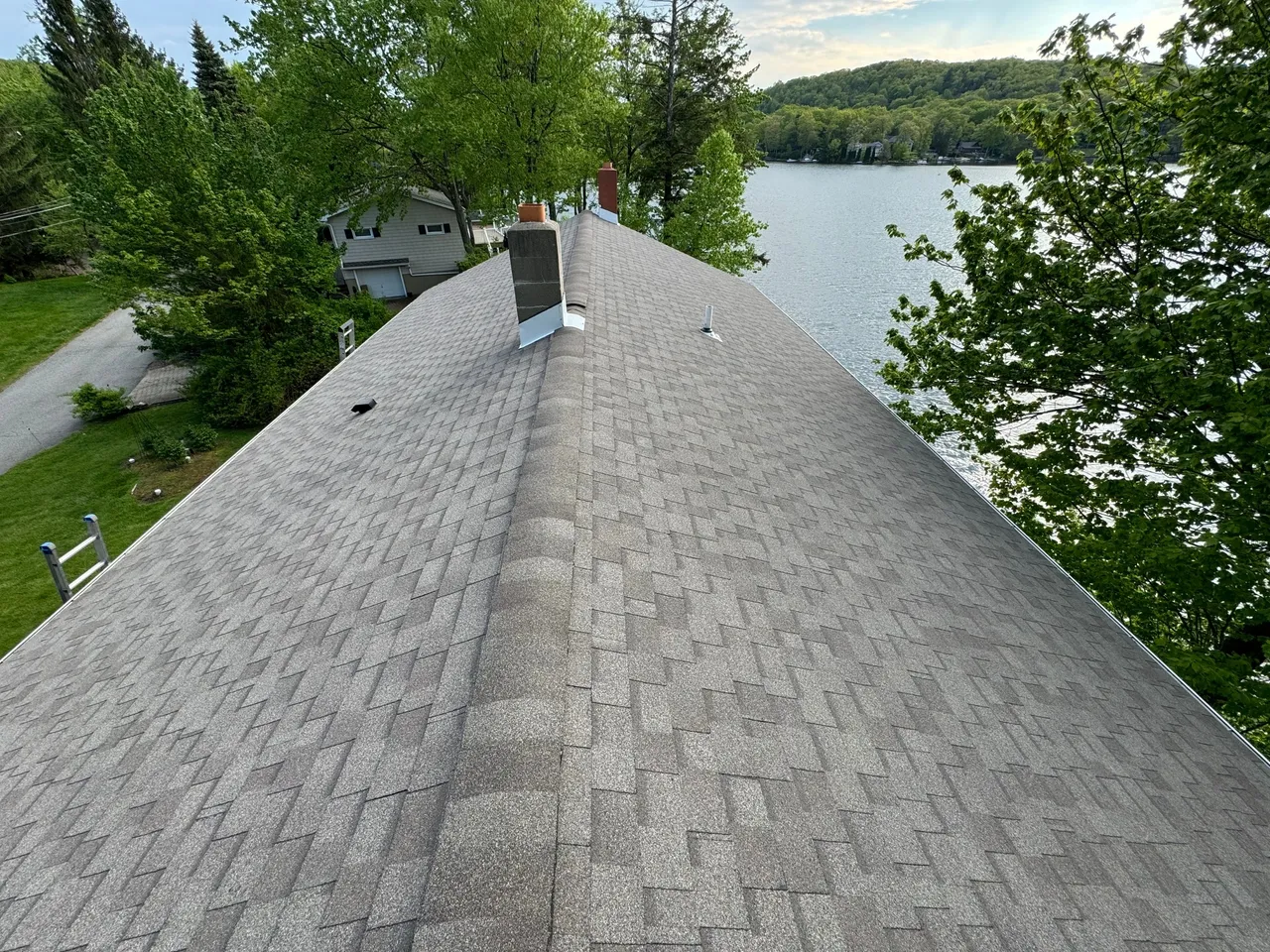
Buying your first home in Succasunna comes with a long list of responsibilities, and the roof usually climbs that list faster than expected. Many first-time owners assume a roof either works or it leaks. Real life is messier. A roof can be near the end of its service life without showing obvious interior damage, and by the time water reaches a bedroom ceiling, the problem often extends beyond shingles.
That matters in Morris County, where homes face a full four-season cycle. Winter snow loads, ice, spring rain, summer heat, and the freeze-thaw pattern of late fall all put stress on roofing materials. A roof replacement is not just a cosmetic job. It is a system upgrade that protects framing, insulation, ventilation, drywall, and, frankly, your budget.
If you are researching Roof Replacement Succasunna, NJ, the goal is not simply to find the cheapest estimate. It is to understand what you are buying, what drives the price, what can go wrong, and how to make a smart decision that still feels manageable.
Why first-time homeowners get caught off guard
Most people know roughly what appliances cost. They have a ballpark sense for flooring, paint, and landscaping. Roofing is different because many homeowners deal with it only once or twice in a lifetime. That unfamiliarity leaves room for confusion.
One common surprise is that the visible shingles are only one part of the assembly. Underlayment, flashing, drip edge, attic ventilation, decking condition, pipe boots, starter shingles, ridge caps, and ice protection all affect how the roof performs. When one contractor says a roof costs one number and another says a much higher number, they may not be quoting the same scope at all.
Another surprise is timing. Roofs often fail gradually. Granule loss may have been happening for years. Flashing around a chimney may have separated slightly over several winters. A few lifted shingles after a windy storm can expose weaker areas you did not know existed. Homeowners then face a replacement sooner than planned, often while juggling other new-home expenses.
In older neighborhoods around Succasunna, roof replacements can also reveal prior shortcut repairs. It is not unusual for a crew to remove old shingles and find soft decking near valleys, old flashing buried under newer layers, or evidence of long-term moisture around bathroom vent penetrations. Those issues are fixable, but they affect cost and schedule.
Succasunna weather is hard on roofs in specific ways
Roofs in northern New Jersey age differently than roofs in milder climates. Heat is part of the story, but cold is just as important. During winter, snow sits on the roof surface, melts during daytime sun exposure, then refreezes at colder edges. That pattern contributes to ice dam formation, especially when attic insulation and ventilation are not balanced well.
Even when ice dams do not create visible interior leaks, repeated freeze-thaw cycles can stress shingles, sealants, and flashing details. Add wind-driven rain during spring storms, then long humid stretches in summer, and a roof system can deteriorate from several directions at once.
Tree cover, which is common in parts of Morris County, creates another local factor. Shade can extend shingle life by reducing thermal shock, but it can also keep moisture on the roof longer. Moss, dark streaking, and persistent dampness are not just appearance issues. They can accelerate wear and make defects harder to spot from the ground.
Roof pitch matters too. A steeper roof generally sheds water and snow more efficiently, but it is more difficult and slower to work on. A lower-slope section, especially over an addition or porch, may require different underlayment details and more careful flashing integration. That is why a quick online cost estimate rarely matches the final proposal for a specific home.
How to tell whether you need replacement or just repair
This is one of the most important judgment calls a homeowner can make. Not every roof problem calls for full replacement. At the same time, repeated patching on an aging roof can become expensive procrastination.
If your roof is relatively young and the issue is localized, such as a few shingles blown off in a storm or flashing damage around one vent stack, a repair may be the sensible move. If the roof is older and showing broad wear, the repair may only buy a short amount of time.
A few signs tend to point toward replacement rather than a simple fix:
- widespread curling, cracking, or bald shingles with significant granule loss
- repeated leaks in different areas, especially after prior repairs
- soft or rotted roof decking discovered near eaves, valleys, or penetrations
- visible sagging or uneven roof lines that suggest substrate issues
- an aging roof that is near the end of its expected service life and already needs multiple repairs
Age alone should not make the decision, but it matters. Many asphalt shingle roofs last somewhere in the 20 to 30 year range under normal conditions, though actual performance depends heavily on installation quality, ventilation, sun exposure, and storm history. A well-installed roof can outperform a poorly installed “premium” product by years.
One practical way to think about it is this: if the repair bill is meaningful, the roof is already old, and there is a good chance another section will fail within a year or two, replacement often makes better financial sense. Not because it is cheap, but because it stops the cycle of paying repeatedly to preserve a system that is already tired.
What a full roof replacement actually includes
Homeowners often imagine roof replacement as removing old shingles and installing new ones. A good project is broader than that. Once the tear-off begins, the contractor should assess the roof deck, replace damaged wood where needed, and rebuild the assembly so water is directed out instead of allowed to linger.
Flashing work deserves special attention. Many leaks trace back not to the field shingles, but to transitions: chimneys, skylights, step flashing along walls, valleys, plumbing penetrations, and the edges where gutters meet roof lines. Reusing questionable flashing to save a small amount of money is the kind of decision that can create a call-back six months later.
Ventilation is another area where first-time owners sometimes miss the long game. Poor attic ventilation can trap heat and moisture, which affects shingle longevity and indoor comfort. In winter, warm attic air can contribute to snow melt and ice issues. In summer, overheated attics strain air-conditioning systems and can shorten the life of roofing materials. A proper roof replacement may involve ridge vents, intake ventilation at soffits, or adjustments to existing venting so the whole system works together.
Underlayment is less visible, but it matters. In climates like Succasunna, extra ice and water protection at vulnerable areas can be worth the investment. The exact application depends on roof geometry and local code requirements, so this is where a detailed proposal is more useful than a vague one-page estimate.
What roof replacement costs in Succasunna, and why quotes vary
There is no honest single number that fits every house. Roof replacement costs in Succasunna, NJ can vary widely based on square footage, pitch, material choice, tear-off complexity, number of layers to remove, ventilation upgrades, flashing work, and decking replacement.
For a straightforward asphalt shingle replacement on an average single-family home, many homeowners encounter pricing in the broad several-thousand-to-low-five-figure range. Larger homes, steep roofs, premium materials, extensive wood replacement, or intricate rooflines can push that total much higher. If you receive estimates that are far apart, do not assume the highest bidder is overcharging or the lowest bidder found a miracle. The difference usually lives in scope.
One proposal may include full tear-off, upgraded underlayment, new flashing, ridge ventilation, disposal, permit handling, and a workmanship warranty. Another may include only the basic tear-off and reshingle, with wood replacement priced as an extra and flashing work described in vague terms. Both are technically “roof replacement” quotes, but they are not equal.
A low price can also hide crew size, insurance issues, or rushed workmanship. Roofing is labor-intensive and safety-sensitive. Proper setup, careful tear-off, magnetic cleanup, and detailed flashing work take time. If a bid looks dramatically low, ask what is missing rather than celebrating too early.
The questions worth asking before you sign
A good roofing conversation should leave you more informed, not more pressured. If a contractor avoids specifics, that is useful information in itself.
Ask who will supervise the project day to day. Many companies sell the job through one person and execute it with a different crew. That is not inherently a problem, but you should know who is accountable on site. Ask how they handle rotted decking if it is discovered after tear-off. Reputable contractors usually price that as a per-sheet or per-foot allowance rather than pretending it never happens.
It is also smart to ask whether the proposal includes permit coordination if one is required, what kind of property protection they use around landscaping and driveways, how debris is contained, and how cleanup is handled. A well-run crew can replace a roof with surprisingly little disruption. A sloppy crew can leave nails in the grass and damaged shrubs around the perimeter.
Manufacturer certification can matter, but it should not overshadow basics. Some homeowners get distracted by brand names and overlook workmanship details. The best shingle in the world will not save poor flashing, bad ventilation, or careless nailing.
Materials: what most homeowners choose, and why
For many homes in Succasunna, architectural asphalt shingles remain the default choice, and for good reason. They offer a practical balance of cost, appearance, durability, and repairability. They work on many traditional suburban homes and come in colors that complement common siding and brick palettes in the area.
Metal roofing has gained attention, particularly for homeowners planning to stay put long term. It can offer excellent longevity and shed snow well, but the up-front price is typically higher. Installation quality is even more specialized, and not every house style looks right with it.
Wood and slate have their place, especially on homes where architecture justifies the expense, but those materials come with higher costs and more nuanced maintenance considerations. Synthetic alternatives exist too, though their long-term value depends on product quality and installer experience.
For a first-time homeowner, the right material is often not the flashiest one. It is the one that fits the home, the budget, the expected length of ownership, and the maintenance tolerance of the people living there.
The hidden role of attic ventilation and insulation
A surprising number of roofing problems start below the roof line. You can install new shingles perfectly and still have premature aging if the attic is poorly managed.
I have seen homes where the roof was blamed for winter moisture stains, only to find the deeper issue was warm, humid air leaking into an under-ventilated attic. Bathroom fans dumping into attic space instead of venting outdoors are a repeat offender. So are blocked soffits packed with insulation. Once that moisture cycles through cold-weather conditions, it can create frost, condensation, and eventually staining that looks like a roof leak.
This is one of the reasons a careful contractor may spend time talking about things that seem unrelated to shingles. If they are discussing airflow, intake and exhaust balance, insulation at the eaves, and the condition of vent terminations, they are usually looking at the roof as a system instead of a surface.
Timing your project in New Jersey
Many homeowners assume roofing season is limited to warm, dry summer days. In practice, roof replacement happens across much of the year, weather permitting. Spring and fall are popular because temperatures are moderate and scheduling is active. Summer can work well too, though very hot days affect crew pace and material handling. Winter projects are possible, but cold weather introduces limitations around seal strips and requires more attention to installation conditions.
If your roof is failing, waiting for the “perfect” season is not always realistic. A controlled replacement in less-than-ideal but acceptable conditions is usually better than months of water intrusion. The real key is choosing a contractor who plans around weather windows, protects exposed areas properly, and does not rush a tear-off before rain.
Insurance, warranties, and realistic expectations
Homeowners often ask whether insurance will cover a new roof. Sometimes yes, sometimes no. If the damage is tied to a covered event, such as a storm, there may be a path to coverage, but ordinary age and wear generally are not insured. Documentation matters. So does acting promptly after visible storm damage.
Warranties also deserve a sober reading. Manufacturer warranties cover materials under certain conditions. Workmanship warranties cover installation, and those vary by contractor. Neither warranty is a substitute for competent installation. A long warranty looks impressive on paper, but if the company disappears or excludes the issue you are dealing with, the practical value shrinks fast.
This is another reason not to evaluate Roof Replacement Succasunna, NJ solely by sticker price. The experience after the crew leaves matters almost as much as the installation day Roof Replacement Succasunna, NJ itself.
Preparing your home for the work
Roof replacement is noisy, physical work. There will be vibrations. Items on walls can shift. Pets may become stressed. If you work from home, plan for disruption. If you have an attic full of delicate storage, it is worth checking that boxes are covered and valuables are secured before tear-off begins.
A short preparation checklist helps:
- move vehicles out of the driveway and away from the work zone
- take down fragile wall décor or items on shelves that may rattle
- keep children and pets away from the perimeter during active work
- notify neighbors if access or noise may affect them for a day or two
- ask the contractor where materials and the dumpster will be placed
These small steps make the day easier for everyone and reduce the chance of avoidable damage or stress.
Red flags that deserve your attention
First-time homeowners can feel intimidated during contractor conversations, especially when every company sounds confident. A few warning signs are worth taking seriously.
Be cautious if a contractor resists putting scope details in writing, demands a large cash payment up front, or pushes you to sign immediately after a storm. The same goes for vague promises about handling “anything insurance denies” without explaining what that means. Roofing is expensive enough without adding confusion or pressure.
Watch for language that avoids specifics. If a proposal does not clearly identify materials, underlayment, flashing approach, ventilation changes, cleanup, disposal, and how decking repairs are handled, ask for revisions. A professional contractor should be able to explain the job in plain English.
When replacement becomes a smart investment instead of a painful expense
No homeowner enjoys paying for a roof. Yet a well-timed replacement often protects more than it costs. It can prevent insulation damage, mold concerns, drywall repairs, trim rot, and the ongoing uncertainty of wondering whether every hard rain will produce a new stain.
It also restores peace of mind in a way that is hard to measure until you have lived through a failing roof. Many first-time homeowners delay because they fear making the wrong decision. That is understandable. But the best decisions usually come from slowing down, comparing written scopes carefully, asking direct questions, and focusing on long-term value instead of headline price.
In Succasunna, where weather asks a lot of every roof, replacement is not simply a maintenance task. It is one of the most important protective upgrades you can make to the house you worked hard to buy. When the job is planned well and executed properly, you are not just getting new shingles. You are buying durability, predictability, and a stronger home envelope for the years ahead.
Royalty Exteriors
151 NJ-10 Suite 103A, Succasunna, NJ 07876, United States
+1 973-333-7234
FAQ About Roof Replacement Succasunna, NJ
What are signs a roof needs replacing?
Widespread shingle deterioration, repeated leaks, or damaged decking can point to a larger problem. A roofer can inspect the roof covering, flashing, and deck to determine whether the damage is localized or whether replacement makes more sense.
How long does it take to reroof a 2000 square foot house?
Royalty Exteriors estimates one to three days for many single-family roof replacements. A house’s floor area does not tell you the actual roof area. Pitch, roof features, weather, and any decking repairs can change the schedule.
How long should a roof last in NJ?
There is no single lifespan for every roof. Material, installation quality, attic ventilation, maintenance, and exposure to storms all affect how long a roof remains serviceable. An inspection can help you assess its condition and plan for replacement.