What to Expect During a Roof Inspection Before Replacement in Succasunna, NJ
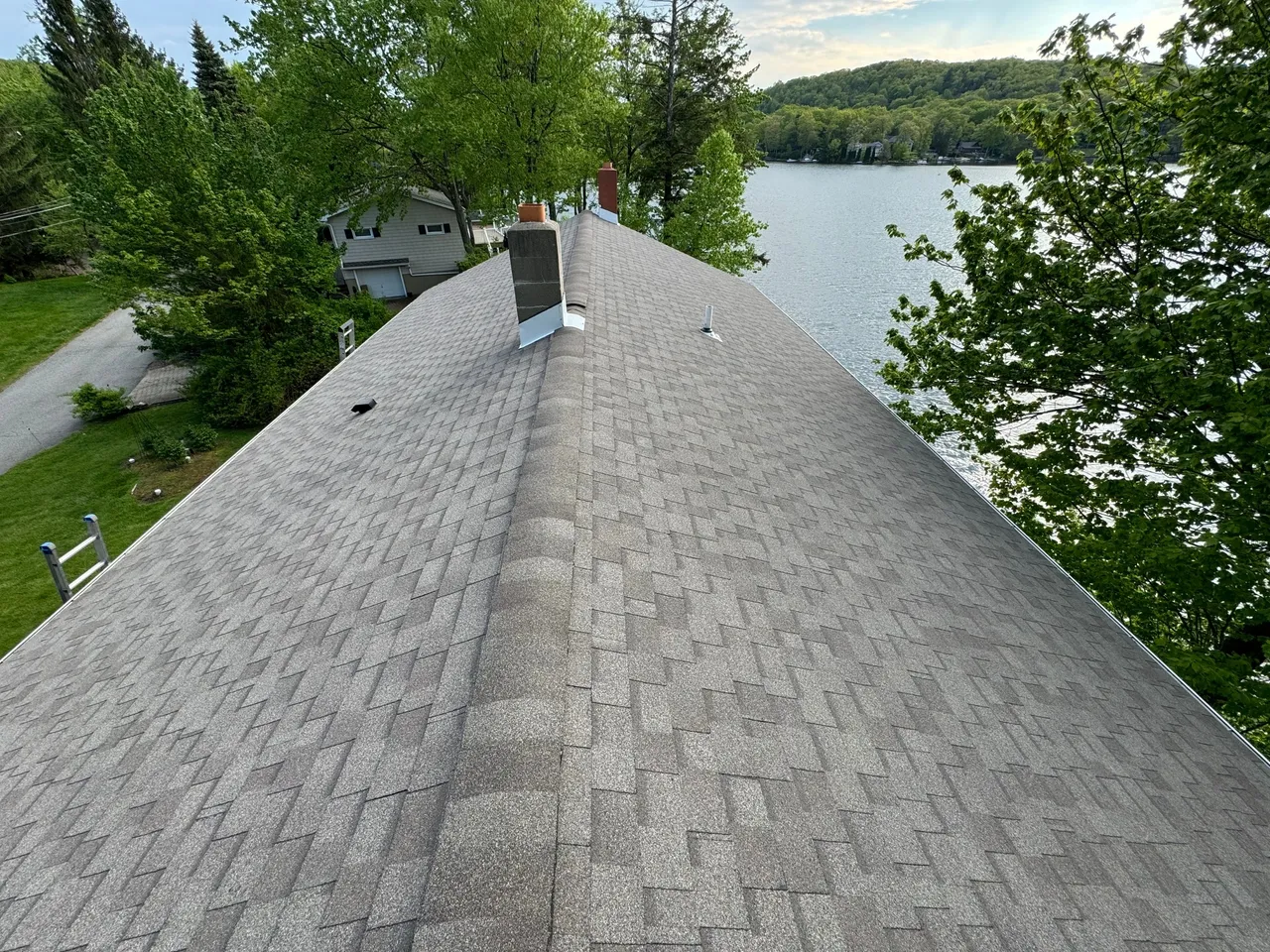

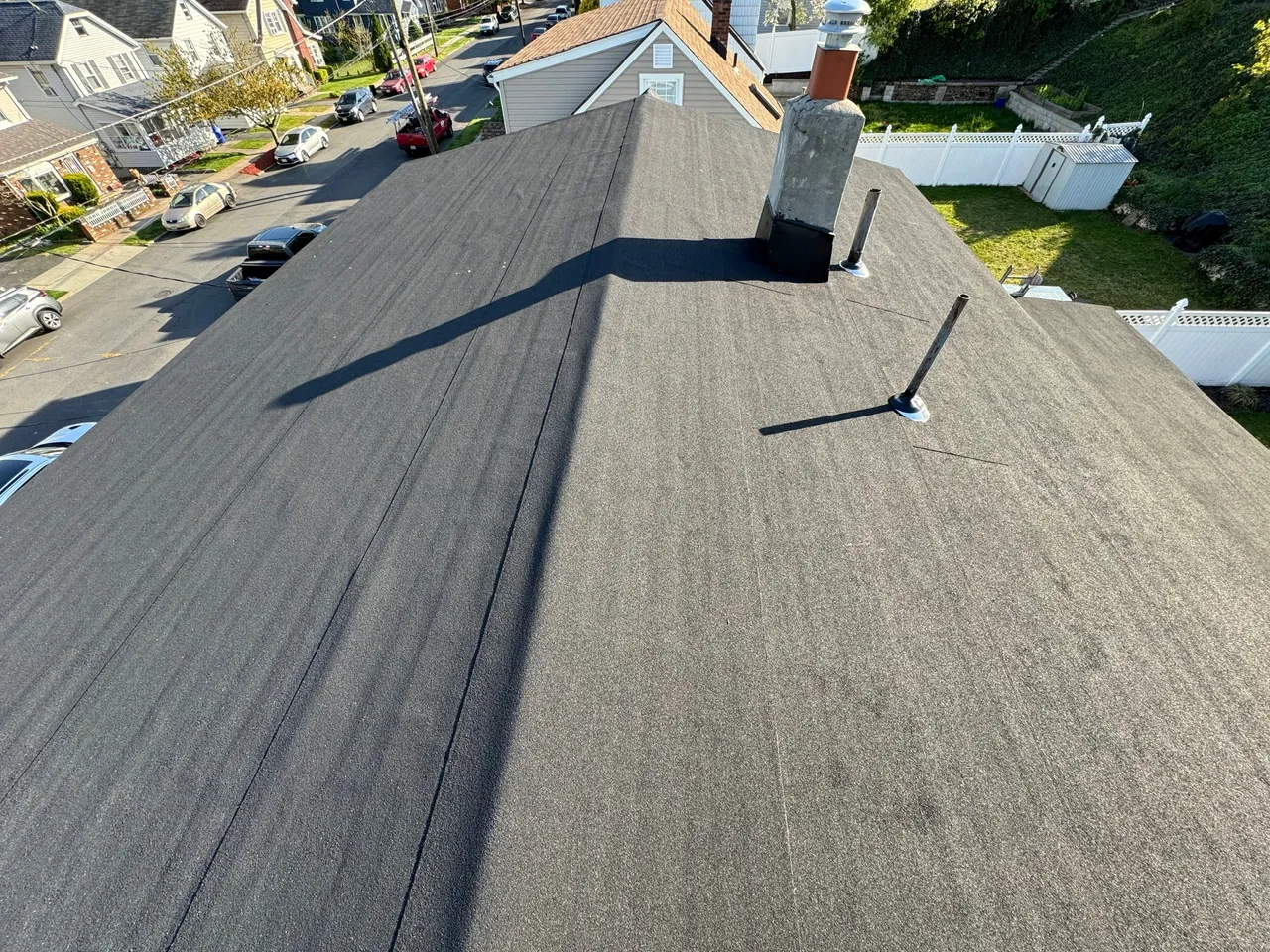
A roof replacement starts long before shingles come off. The real beginning is the inspection, the point where a contractor figures out what is actually happening on the house, what has failed, what can wait, and what has to be addressed before any estimate means much. Homeowners in Succasunna often expect that visit to be quick and simple. Sometimes it is. If the roof is a straightforward asphalt system with clear age-related wear, an experienced inspector can spot the major issues quickly. But on many Morris County homes, especially those with additions, skylights, chimneys, older decking, or layers of past repairs, the inspection is where the job becomes clear.
That matters because a replacement price is not just about square footage. It depends on how the roof was built, how it has aged, how well it was ventilated, and whether water has already moved beyond the shingles into the decking, flashing, insulation, or attic framing. A good inspection protects the homeowner from two bad outcomes at once: an unrealistically low quote that turns into change orders, and an overblown quote that treats every stain as a structural emergency.
In Succasunna, where winter weather, wind-driven rain, ice, and summer heat all put stress on roofing systems, the inspection before replacement is not a formality. It is the part that separates a solid plan from guesswork.
Why local conditions in Succasunna shape the inspection
Roofing is regional work. The same shingle brand installed in two different climates can age in very different ways. In Succasunna, roofs deal with freeze-thaw cycles, occasional heavy snow loads, humid summers, and tree cover in many neighborhoods. Those factors influence how inspectors read what they see.
A roof with black streaking may not be near failure. It may simply have algae staining, common in shaded areas. A roof with curled tabs, though, often tells a different story. Curling can signal advanced age, heat cycling, poor attic ventilation, or all three. Granule loss around downspouts might look alarming, but an inspector will want to determine whether it is normal wear late in the roof’s service life or evidence that shingles are deteriorating faster than expected.
Tree cover is another local factor. In some parts of Succasunna, overhanging branches keep sections of the roof damp longer after rain. That moisture can shorten shingle life and encourage moss growth. Moss is not just cosmetic. Left alone, it can hold moisture against the roof surface and create conditions for edge lifting and deck deterioration. If a contractor sees moss concentrated on one slope but not another, the conversation may shift from simple replacement to trimming vegetation and correcting airflow issues as part of the long-term fix.
Homes in the area also vary widely in age. A newer colonial with one layer of architectural shingles presents a different inspection than an older cape with a low-slope rear addition, patched flashing, and a chimney that has been repointed twice. The more transitions, penetrations, and previous repairs a roof has, the more important a thorough inspection becomes.
What the inspector is trying to learn
The inspection is not only about confirming that you need a new roof. Most homeowners already suspect that. The goal is to define the scope of work accurately. In practical terms, the inspector is trying to answer a set of job-critical questions.
First, how much of the roofing system has reached the end of its useful life? Second, is the problem limited to the surface materials, or has moisture affected the layers beneath? Third, are there ventilation, flashing, drainage, or structural conditions that should be corrected while the roof is open? Fourth, will the tear-off expose likely decking replacement, and if so, how much is reasonably expected versus unknowable until demolition?
Those distinctions affect everything from pricing and scheduling to material choice. They also shape whether a homeowner is comparing quotes fairly. Two contractors might both say you need a new roof, yet one may have noticed soft decking near the eaves, worn pipe boot flashings, and signs of attic condensation, while the other may have priced shingles only. The estimates will not reflect the same job.
The exterior inspection usually starts on the ground
Many homeowners expect the contractor to climb up immediately. Often, the first useful observations happen from the ground. A trained eye can spot sagging ridgelines, uneven roof planes, missing tabs, patchwork color differences from prior repairs, gutter alignment issues, and chimney conditions before a ladder even touches the house.
Ground-level inspection also helps identify site logistics. That is not a minor detail. If the driveway is narrow, landscaping is delicate, or the house sits tight to a fence line, the crew may need a different debris management plan on replacement day. Mature shrubs near the perimeter, common on established properties in Succasunna, can limit where tarps and catch systems go. If the inspector notices these conditions early, the proposal is more likely to reflect the real labor involved.
You may also see the contractor study how water is shedding off the property. Staining beneath gutter seams, splash marks near downspout discharge, and erosion near the foundation all tell part of the story. Not every drainage issue is caused by the roof, but roof drainage can contribute to siding wear, fascia rot, and basement moisture if runoff is poorly managed.
What happens when the inspector gets on the roof
Once on the roof, the inspector will look at wear patterns up close. Age alone does not tell the whole story. Two roofs installed in the same year can be in very different shape depending on sun exposure, ventilation, workmanship, and storm history.
The contractor will usually check shingle condition across multiple slopes rather than assuming the entire roof has aged uniformly. South- and west-facing sides may show more sun-driven deterioration. Northern slopes may have more moss or lingering moisture. Valleys, transitions, and lower sections beneath dormers often reveal concentrated runoff and faster wear.
Here are some of the common items a roof inspector may evaluate on the surface:
- Shingle condition, including cracking, curling, blistering, exposed fiberglass, and granule loss.
- Flashing details around chimneys, vents, skylights, walls, and valleys.
- Signs of wind damage, such as lifted tabs, creasing, or displaced ridge caps.
- Drainage behavior, including ponding on low-slope sections or runoff concentration at valleys.
- Visible deck irregularities, soft spots, or sagging that suggest substrate issues below.
That list sounds straightforward, but the judgment behind it is where experience shows. For example, granule loss can be normal near the end of a shingle’s life, especially on older three-tab systems. It becomes more concerning when paired with brittleness, exposed mat, and repeated repairs. A few popped nails may be isolated workmanship defects. A repeating pattern of raised shingles near the eaves can point to movement in the decking or persistent moisture.
Chimneys deserve special attention. On many homes, chimney flashing is where problems first become obvious, but not Roof Replacement Succasunna, NJ always where they started. Counterflashing may be loose. Step flashing may have been reused improperly on a prior roof. Mortar joints may be deteriorating enough to let water in, creating stains that homeowners assume are roof leaks. A careful inspector will separate roofing issues from masonry issues rather than blaming one for everything.
The attic inspection is often where the most important clues appear
If the home has attic access, this part of the inspection should not be skipped. Some of the most expensive roof-related problems are not visible from above. Water can travel. It can enter near a flashing point and show up several feet away on a rafter or ceiling line. The attic often tells the story more honestly than the shingles do.
Inside, the contractor may look for dark staining on the underside of the decking, mold or mildew, rusted nail tips, compressed insulation around ventilation pathways, and signs of long-term condensation. The difference between an active roof leak and a ventilation problem matters. Both can create staining and moisture, but they call for different corrections.
Poor ventilation is one of the most underestimated factors in premature roof failure. In practical terms, a hot, under-vented attic can bake shingles from below during summer, while a cold-weather moisture imbalance can leave condensation on the underside of the roof deck in winter. Homeowners sometimes replace a roof and keep the same attic conditions, then wonder why the new one ages faster than expected. A good inspection before Roof Replacement Succasunna, NJ should include a discussion of intake and exhaust ventilation, not just shingles and color choices.
Attic framing can also reveal whether there has been repeated leakage around penetrations or valleys. I have seen cases where a homeowner thought a roof had one small issue near a bathroom vent, only for the inspection to uncover years of slow moisture around a chimney chase that had softened sheathing and stained insulation. The roof still needed replacement, but the real value of the inspection was catching the broader scope before materials were ordered and assumptions hardened into a contract.
Expect questions about leaks, repairs, and the roof’s history
A reliable inspector does not work from visuals alone. They usually ask the homeowner questions that help connect symptoms to patterns over time. Have there been interior leaks? If so, when do they happen, after wind-driven rain, after snow, during ice dams, or only in prolonged storms? Have there been prior repairs, and where? Was the current roof installed over an older layer? Has the attic ever had mold remediation or insulation work?
The answers matter. A leak that occurs only during wind-driven rain may point to flashing or wall intersection issues rather than broad field shingle failure. A leak that appears after snow buildup may involve ice damming at the eaves, especially on houses with heat loss and poor ventilation. Prior patching can hide recurring trouble spots. If a section was repaired three times in six years, that history says more than one snapshot inspection ever could.
This is also where homeowners can help the process. Photos of ceiling stains during storms, records of previous repairs, or even a rough timeline of when problems started can improve the accuracy of the inspection. The contractor may still recommend full replacement, but the reasoning will be better grounded.
Not every issue means a full replacement, but some combinations do
A fair inspection should acknowledge nuance. There are roofs that need targeted repair, roofs that are candidates for short-term maintenance, and roofs that are truly at the end of the line. The challenge is that by the time many homeowners schedule estimates, the roof has already crossed from repairable to uneconomical.
A single damaged pipe boot on a younger roof does not justify full replacement. Neither does isolated flashing failure if the field shingles still have real service life left. But when age-related wear combines with brittle shingles, recurring leaks, multiple patch zones, weak flashing points, and ventilation problems, replacement often becomes the smarter investment. At that stage, each repair may stop one symptom while leaving the system as a whole vulnerable.
This is where candid contractors stand apart. They should be able to explain not just what they recommend, but why. If they say replacement is warranted, they should tie that recommendation to observed conditions. If they say repair is still reasonable, they should also be honest about the roof’s likely remaining life and the limits of what repair can accomplish.
How inspectors assess decking and hidden damage
One of the hardest parts of a pre-replacement inspection is estimating what cannot be fully seen until tear-off. Roof decking can look acceptable from above while hiding soft areas beneath old underlayment. From inside the attic, visibility may be blocked by insulation or finished spaces. So contractors usually speak in terms of probable conditions, not certainties.
That does not mean they are guessing blindly. Experienced roofers look for clues: spongy foot feel, waviness in the roof plane, staining around penetrations, prior leak history, and visible edge rot at eaves or rake boards. They may mention that a quote includes a certain amount of decking replacement allowance, or that rotten sheathing, if found, would be billed per sheet. That is a normal part of the process, not a red flag, as long as the terms are clear.
What you want to hear is transparency. The contractor should distinguish between what is confirmed and what may only be discovered once shingles come off. If someone promises there will be zero wood replacement on a visibly tired roof with known leaks, that confidence may not be Roof Replacement Succasunna, NJ realistic. On the other hand, treating every replacement as if half the deck will need rebuilding can also be a sales tactic. A balanced inspection lives between those extremes.
Ventilation, flashing, and drainage often matter as much as the shingles
Homeowners tend to focus on the visible roof covering because that is what they see from the yard. Yet many replacement problems come from components that are less noticeable. A roof is a system. If the system is poorly balanced, a premium shingle alone will not fix it.
The inspection may lead to recommendations such as improved soffit intake, ridge vent correction, replacement of old metal valleys, new chimney flashing, upgraded pipe boots, or attention to bathroom exhaust ducts that currently dump moist air into the attic. None of those items are glamorous, but they often determine whether the next roof performs well.
Gutters may also come up during the conversation. A roof replacement estimate does not always include gutter work, and not every home needs it. Still, if gutters are undersized, mispitched, or pulling away from the fascia, an inspector may point out how that affects runoff. Water that backs up at the eaves can contribute to wood rot and ice-related trouble even if the shingles themselves are replaced properly.
What a homeowner should ask during the inspection
You do not need to know roofing jargon to get useful answers. The best questions are often simple and specific. Ask what the contractor is seeing, where the weak points are, and whether the recommendation is based on age, active damage, or both. Ask whether ventilation is adequate for the proposed system. Ask which flashings will be replaced rather than reused. Ask how likely wood replacement is and how that cost would be handled if discovered during tear-off.
A productive inspection usually gives clear answers to questions like these:
- What visible conditions make replacement the better option than repair?
- Are there signs of hidden moisture or deck damage that could change the scope?
- Will the chimney, valleys, wall flashings, and pipe penetrations be rebuilt properly?
- Is the attic ventilation helping or hurting roof life right now?
- What parts of the estimate are fixed, and what parts depend on tear-off findings?
If the contractor struggles to explain these points in plain language, that tells you something. Good roofing professionals do not need theatrics to justify their recommendations. They can walk you through what they found, what it means, and what trade-offs come with different approaches.
What the final assessment may look like
After the inspection, you should expect more than a one-line statement that the roof is old. A solid assessment usually describes the current condition, identifies problem areas, and outlines the recommended scope. It may note shingle wear, flashing failures, suspected deck issues, and ventilation needs. It should also make clear whether the proposal includes full tear-off, underlayment replacement, flashing upgrades, ridge ventilation, cleanup, and debris disposal.
For homeowners considering Roof Replacement Succasunna, NJ, the inspection phase is also a good time to compare how different contractors think. One may focus heavily on product brand. Another may spend more time discussing flashing and ventilation. In my experience, the latter often tells you more about the quality of the eventual installation. Shingles matter, certainly, but roofs usually fail first at details, not in the middle of a perfect field.
Do not be surprised if the best inspection takes longer than expected. Thorough work is not rushed. A twenty-minute glance may be enough to produce a number. It is rarely enough to produce a dependable plan.
What can affect timing after the inspection
Once the roof has been inspected and replacement is recommended, timing becomes the next practical concern. In Succasunna, the season matters. Spring and fall tend to be busy, and severe weather can compress schedules fast. If your roof is actively leaking, the contractor may recommend temporary protection while materials and installation dates are finalized.
Inspection findings can also affect lead time. A simple architectural shingle replacement with no specialty flashing or decking concerns may move quickly. A house with custom copper work, skylight replacement, low-slope tie-ins, or extensive wood repair may need more planning. If permits or HOA considerations apply, those add another layer. None of that should be a surprise if the inspection was done well. It should already be built into the conversation.
The inspection sets the tone for the whole project
By the time a roof replacement crew arrives, many of the most important decisions have already been made. Those decisions start with the inspection. If the contractor has identified the real problem areas, explained the likely scope honestly, and accounted for local conditions on the home, the replacement has a much better chance of going smoothly.
For homeowners, that means the inspection is not just something to schedule and endure. It is the best opportunity to understand what you are buying, why certain repairs or upgrades are recommended, and where a low quote may be leaving out important work. A roof replacement is a major expense, but a careful inspection before the contract is signed is what helps turn that expense into a durable result rather than a repeat problem.
On a house in Succasunna, the roof has to handle more than a few hot afternoons and a rainstorm now and then. It has to stand up to winter stress, moisture swings, shade, wind, and time. A proper inspection respects that reality. It looks past the surface, tests assumptions, and builds the replacement plan on what the house actually needs. That is what you should expect, and frankly, it is the least you should settle for.
Royalty Exteriors
151 NJ-10 Suite 103A, Succasunna, NJ 07876, United States
+1 973-333-7234
FAQ About Roof Replacement Succasunna, NJ
What are signs a roof needs replacing?
Widespread shingle deterioration, repeated leaks, or damaged decking can point to a larger problem. A roofer can inspect the roof covering, flashing, and deck to determine whether the damage is localized or whether replacement makes more sense.
How long does it take to reroof a 2000 square foot house?
Royalty Exteriors estimates one to three days for many single-family roof replacements. A house’s floor area does not tell you the actual roof area. Pitch, roof features, weather, and any decking repairs can change the schedule.
How long should a roof last in NJ?
There is no single lifespan for every roof. Material, installation quality, attic ventilation, maintenance, and exposure to storms all affect how long a roof remains serviceable. An inspection can help you assess its condition and plan for replacement.